Hiring a Guide in Nepal: Everything You Need to Know
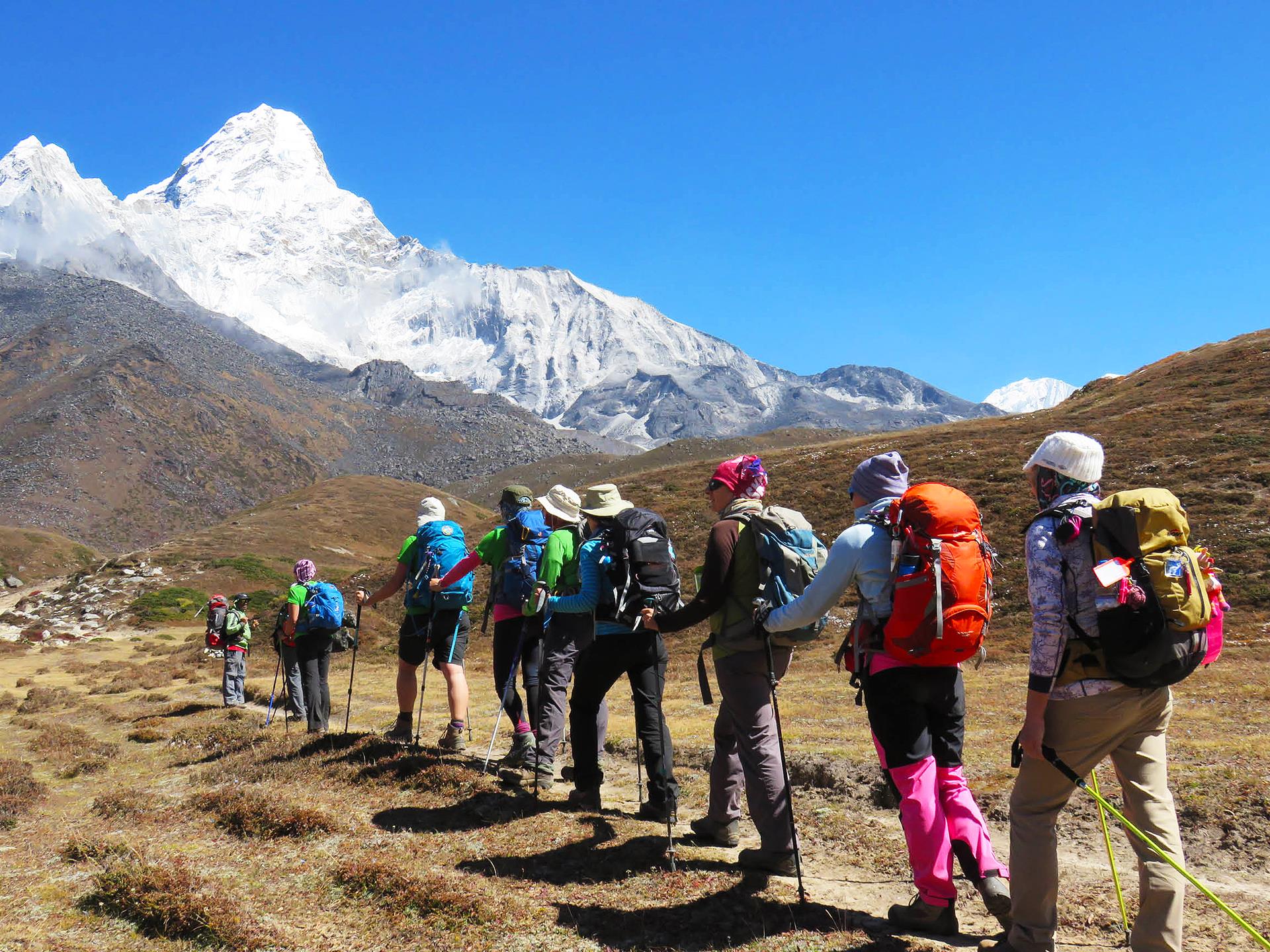
Nepal, home to the mighty Himalayas, colorful cultures, and ancient traditions, is one of the most fascinating destinations in the world. Every year, thousands of trekkers, climbers, and cultural enthusiasts visit Nepal to explore its rugged trails, sacred temples, and remote villages. But while the beauty of Nepal is undeniable, navigating its landscapes and cultural nuances can sometimes be challenging for outsiders. This is where hiring a guide becomes invaluable.
Whether you’re planning to trek to Everest Base Camp, walk through the Annapurna Circuit, explore the Langtang Valley, or simply discover the cultural highlights of Kathmandu Valley, a local guide can transform your journey from good to extraordinary. In this blog, we’ll explore why hiring a guide in Nepal is essential, the benefits they bring, the costs involved, and how to choose the right one for your adventure.
Why Hire a Guide in Nepal?
While it is possible to trek or travel independently in Nepal, hiring a guide adds immense value to your trip. Here are some key reasons:
1. Safety in the Mountains
Nepal’s trekking trails are beautiful but can also be unpredictable. Weather conditions change quickly, trails can be confusing, and altitude sickness is a real concern. A licensed guide knows the routes, understands the signs of altitude sickness, and ensures you follow safe acclimatization practices.
2. Cultural Bridge
Nepal is a mosaic of more than 100 ethnic groups and over 120 languages. Without a guide, it’s easy to miss out on the deeper cultural experiences. Guides act as cultural interpreters—helping you understand local customs, religious practices, and traditions.
3. Hassle-Free Experience
From arranging permits to booking tea houses, guides make your journey stress-free. They know which lodges are reliable, where to stop for food, and how to adjust itineraries in case of emergencies.
4. Support for the Local Economy
Hiring a guide directly supports local employment. Instead of spending all your budget on international agencies, you’re helping Nepali families sustain their livelihood.
5. Enriched Storytelling
Guides are often storytellers, sharing myths, legends, and personal stories that bring the mountains and temples to life.
Types of Guides in Nepal
Not all guides serve the same purpose. Depending on your trip, you might need one of the following:
1. Trekking Guides
These are the most common. Licensed trekking guides accompany you on mountain trails like Everest, Annapurna, Langtang, Manaslu, and Makalu. They are experts in navigation, altitude management, and mountain culture.
2. City and Cultural Guides
If you’re more interested in exploring Kathmandu, Bhaktapur, Patan, or Lumbini, cultural guides specialize in history, art, and architecture. They make heritage sites come alive with fascinating stories.
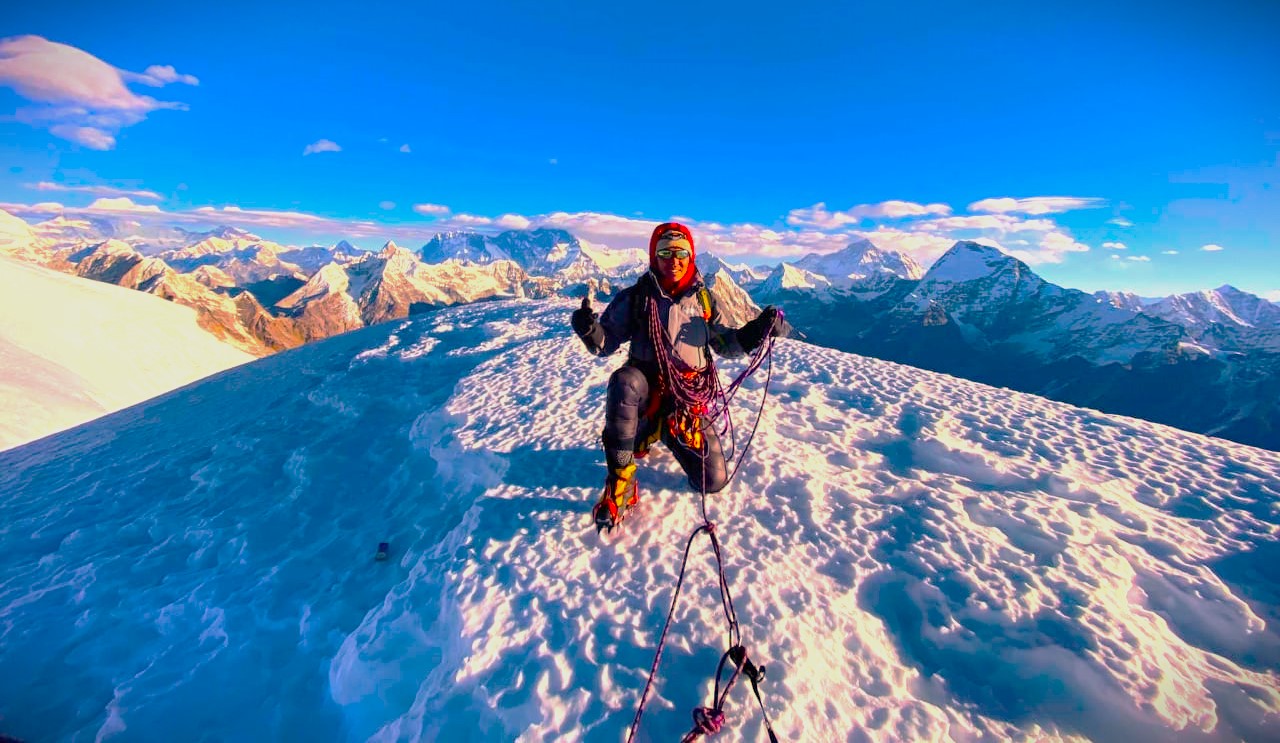
3. Climbing Guides (Sherpas)
For mountaineering expeditions above 6,000 meters, climbing guides are essential. They are trained in technical climbing, rope fixing, and rescue operations.
4. Porter-Guides
A budget-friendly option where one person acts as both porter and guide. They carry part of your load while also helping you navigate trails.
Legal Requirements: Do You Need a Guide?
In recent years, Nepal has updated its trekking regulations. As of April 2023, the Nepal Tourism Board made it mandatory for all foreign trekkers visiting popular trekking routes to hire a licensed guide. This policy aims to improve safety, reduce accidents, and ensure trekkers don’t get lost on remote trails.
Some restricted areas, such as Upper Mustang, Manaslu, Dolpo, and Kanchenjunga, also require special permits that can only be obtained through registered agencies with licensed guides.
So, while in the past solo trekking was possible, now hiring a guide is not just beneficial but often a legal requirement.
How Much Does It Cost to Hire a Guide in Nepal?
The cost of hiring a guide varies depending on the trekking region, season, and the type of guide. On average:
-
Licensed Trekking Guide: USD $25 – $35 per day
-
Porter-Guide: USD $20 – $25 per day
-
Professional Cultural Guide: USD $30 – $50 per day
-
High-Altitude Climbing Guide (Sherpa): USD $50 – $100+ per day (depending on expedition level)
These rates usually include the guide’s food, lodging, and insurance (if booked through a trekking agency). Independent hiring might require you to cover accommodation and meals separately.
Benefits of Hiring a Local Guide
1. Local Knowledge
Guides know hidden trails, viewpoints, and cultural spots you’d never discover on your own.
2. Problem Solvers
Missed transportation? Sudden snowfall? Medical emergency? A local guide knows exactly what to do.
3. Authentic Interactions
Guides introduce you to local families, tea house owners, and village communities—giving you an authentic experience.
4. Language Skills
Most Nepali guides speak good English, and many also know other languages like Spanish, French, German, Chinese, or Japanese.
5. Sustainable Tourism
Hiring a guide ensures your money circulates in the local economy, supporting sustainable tourism practices.
How to Choose the Right Guide in Nepal
When hiring a guide, keep these tips in mind:
-
Check for License – Always hire a government-licensed guide registered with the Trekking Agencies’ Association of Nepal (TAAN).
-
Experience Matters – Ask how many times they’ve done the trek you’re planning.
-
Reviews & Recommendations – Look for online reviews or ask past trekkers.
-
Communication Skills – Make sure they speak a language you’re comfortable with.
-
Insurance & First Aid – A good guide should be trained in first aid and covered by insurance.
-
Fair Pay – Avoid bargaining too much. Guides deserve fair wages for their hard work.
Where to Hire a Guide in Nepal
-
Trekking Agencies in Kathmandu or Pokhara – The safest option, as agencies provide licensed and insured guides.
-
Online Platforms – Many websites now connect trekkers with independent guides.
-
Hotel/Hostel Recommendations – Hotels in Thamel (Kathmandu) and Lakeside (Pokhara) often connect travelers with guides.
-
Word of Mouth – Recommendations from other trekkers are often the most reliable.
Trekking with a Guide: What to Expect
When trekking with a guide in Nepal, you can expect:
-
Daily itinerary planning
-
Assistance with altitude management
-
Smooth check-ins at tea houses
-
Cultural explanations of temples, monasteries, and villages
-
Problem-solving in case of delays or emergencies
-
A more relaxed, immersive journey
Common Misconceptions About Hiring a Guide
-
“Guides are only for beginners.”
Not true. Even experienced trekkers benefit from local knowledge and safety. -
“Guides make the trip expensive.”
The daily cost of a guide is small compared to the value and security they provide. -
“I’ll lose my freedom with a guide.”
Professional guides adapt to your pace and preferences. They’re there to enhance, not control, your journey.
Stories from the Trail
Many trekkers who’ve hired guides in Nepal often describe their guides as “the highlight of the trip.” For example, trekkers in the Everest region often recall how guides became like family—sharing laughs, encouraging them through difficult climbs, and celebrating together at the destination. These bonds often last a lifetime, with many travelers staying in touch with their guides long after the trip ends.
Practical Tips for Hiring a Guide
-
Book in Advance During Peak Season (March–May and September–November).
-
Clarify Inclusions – Confirm if the daily rate includes meals, accommodation, and insurance.
-
Be Clear About Your Fitness Level – This helps guides plan appropriate pacing.
-
Respect Their Work – Guides walk long distances carrying responsibilities. Treat them with respect.
-
Tipping Etiquette – It’s customary to tip guides at the end of your trek (10–15% of the trek cost, or USD $5–$10 per day).
Conclusion
Hiring a guide in Nepal is not just a travel choice—it’s a decision that enhances safety, cultural immersion, and the overall quality of your journey. With Nepal’s new regulations making guides mandatory on many trekking routes, it has become more important than ever to select the right one.
A guide is more than just someone who leads the way; they are cultural ambassadors, problem solvers, and often lifelong friends. Whether you’re trekking to Everest Base Camp, exploring the Annapurna region, or simply discovering the cultural gems of Kathmandu Valley, a guide ensures your adventure is not only successful but also unforgettable.
By hiring a guide, you’re not only enriching your own experience—you’re also giving back to the communities that make Nepal such a special place.
So, as you prepare for your Himalayan journey, remember this: the mountains may be the reason you come to Nepal, but it’s often the guides who make you fall in love with it.