Trekking in Nepal: A Complete Guide to the Himalayan Adventure
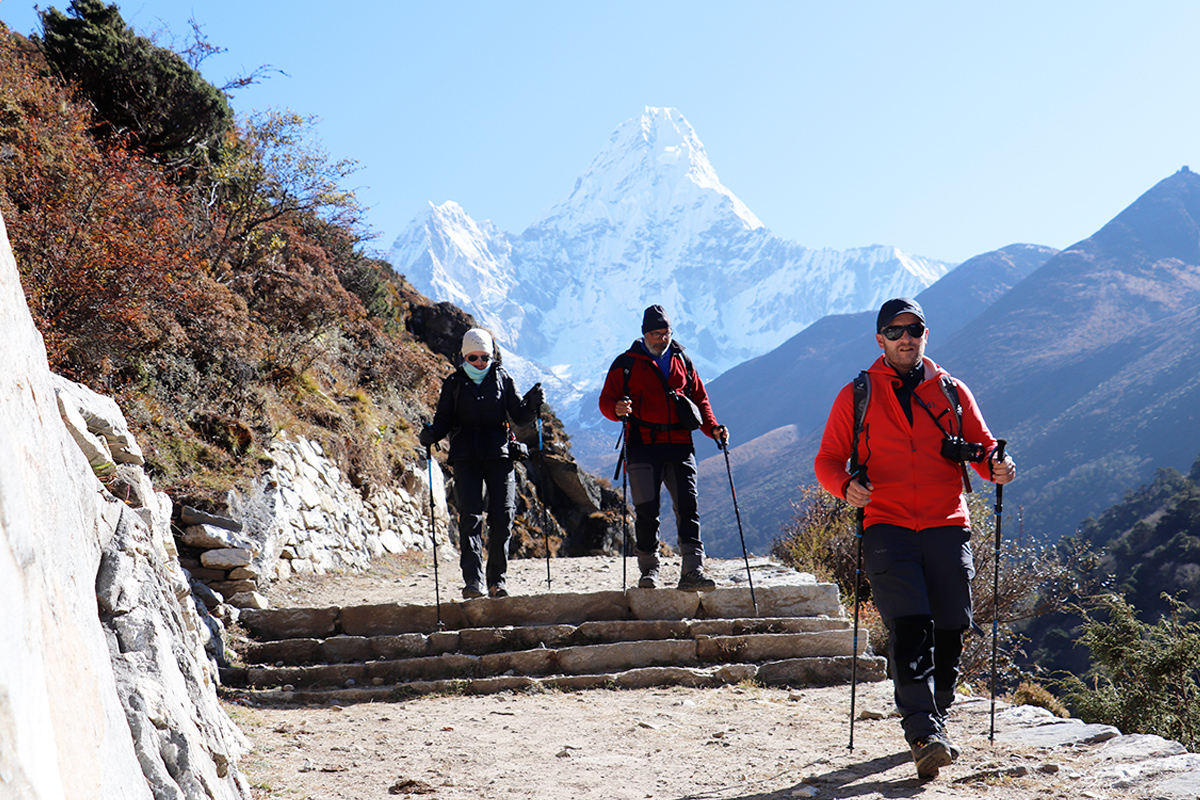
Nepal, a small landlocked country nestled between India and China, is often called the trekker’s paradise. With the mighty Himalayas covering much of its northern region, Nepal offers some of the most spectacular trekking routes in the world. From short and easy cultural hikes to challenging expeditions that touch the base of the world’s tallest peaks, trekking in Nepal is an experience that combines adventure, nature, and cultural immersion.
Every year, thousands of travelers from across the globe visit Nepal to explore its mountains, valleys, forests, and villages. Trekking here is not just about walking; it is about discovering the authentic lifestyle of Himalayan people, witnessing centuries-old traditions, enjoying breathtaking landscapes, and connecting with nature at its purest form.
In this blog, we will cover everything you need to know about trekking in Nepal: the best trekking regions, popular treks, cultural significance, practical tips, preparation, permits, and why Nepal remains the ultimate trekking destination in the world.
Why Choose Nepal for Trekking?
There are many countries with mountains, but none offer trekking opportunities like Nepal. Here are some reasons why Nepal is unmatched when it comes to trekking:
-
Home of the Himalayas – Eight of the world’s 14 highest peaks, including Mount Everest (8,848m), are in Nepal.
-
Diverse Trekking Options – From short 3-day treks to month-long adventures, Nepal has treks for every level of experience.
-
Cultural Richness – Trekkers encounter diverse ethnic groups, including Sherpas, Gurungs, Magars, Tamangs, Thakalis, and Rai communities.
-
Natural Beauty – Trekking trails pass through terraced fields, dense forests, alpine meadows, glacial rivers, and high passes.
-
Affordable Adventure – Compared to other adventure destinations, trekking in Nepal is budget-friendly yet rewarding.
-
Hospitality – Nepali people are known for their warmth, friendliness, and welcoming nature.
Simply put, Nepal offers not just trekking, but a life-changing journey.
Major Trekking Regions in Nepal
1. Everest Region (Khumbu)
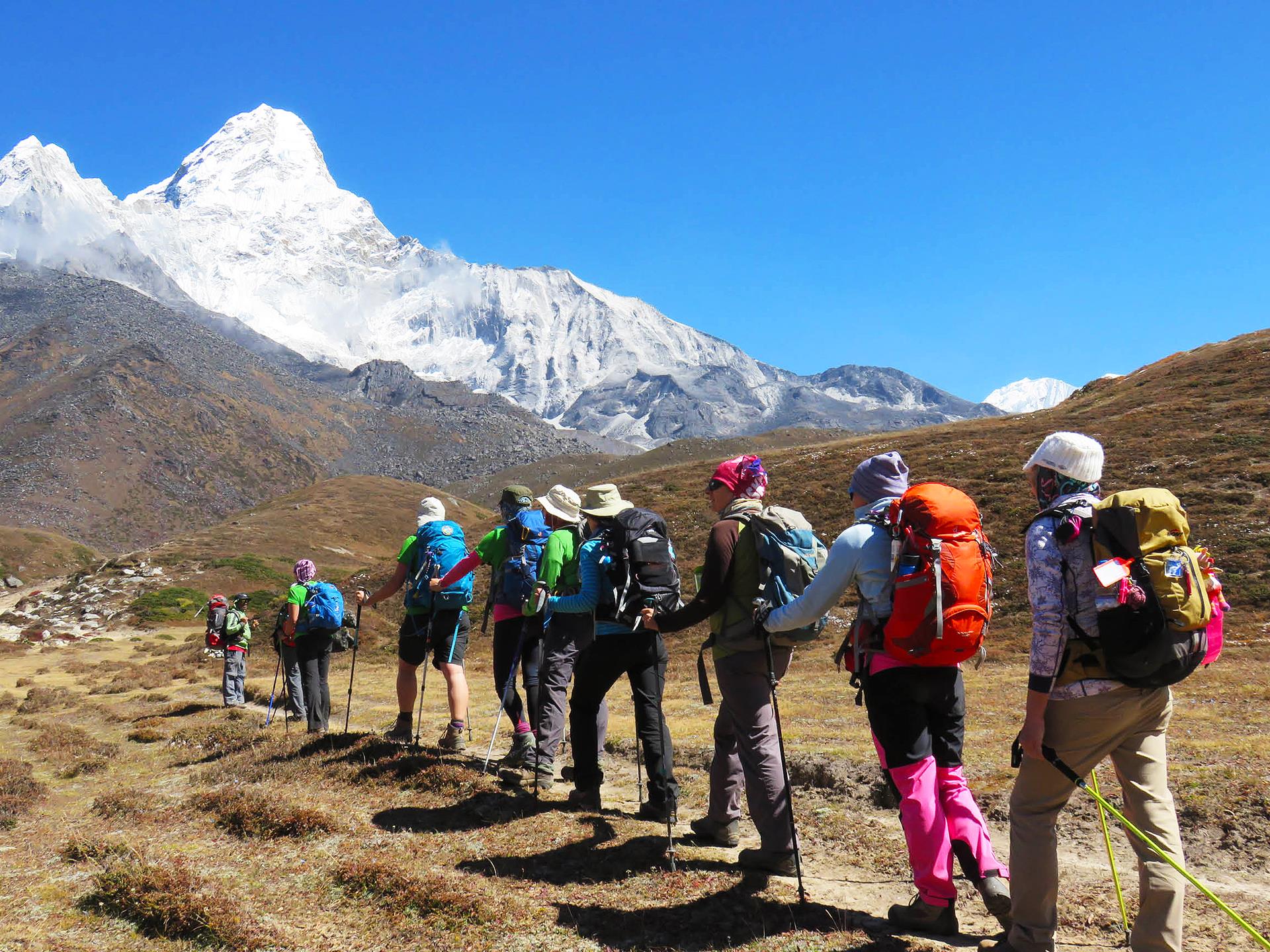
The Everest region is the most famous trekking destination in Nepal. The ultimate highlight here is the Everest Base Camp Trek, which takes you close to the world’s tallest peak. The trek offers stunning views of Mt. Everest, Lhotse, Nuptse, and Ama Dablam, along with an opportunity to explore Sherpa culture, monasteries, and the bustling town of Namche Bazaar.
-
Popular Treks: Everest Base Camp Trek, Gokyo Lakes Trek, Three Passes Trek
-
Best For: Adventure seekers, cultural exploration, and breathtaking mountain vistas
2. Annapurna Region
The Annapurna region is the most diverse trekking destination in Nepal, known for both short and long treks. The Annapurna Circuit Trek is world-famous, offering a journey around the Annapurna Massif through lush valleys, high passes, and traditional villages. The Annapurna Base Camp Trek is another favorite for those who want a shorter but equally rewarding adventure.
-
Popular Treks: Annapurna Base Camp (ABC), Annapurna Circuit, Ghorepani Poon Hill
-
Best For: Beginners, cultural immersion, and panoramic sunrise views
3. Langtang Region
Located north of Kathmandu, the Langtang Valley Trek is a hidden gem. It is less crowded but equally beautiful, with views of Langtang Lirung, glaciers, and Buddhist monasteries.
-
Popular Treks: Langtang Valley Trek, Gosaikunda Lake Trek
-
Best For: Short treks, peaceful trails, cultural encounters with Tamang people
4. Manaslu Region
The Manaslu Circuit Trek is gaining popularity as a less-commercialized alternative to the Annapurna Circuit. It circles the world’s 8th highest mountain, Mt. Manaslu (8,163m), and offers remote landscapes, Tibetan-influenced villages, and adventurous passes like Larke La Pass.
-
Best For: Off-the-beaten-path experience, adventure lovers, cultural diversity
5. Mustang Region
Upper Mustang, known as the Last Forbidden Kingdom, offers a unique trekking experience into the arid landscapes resembling Tibet. The culture here is deeply rooted in Tibetan Buddhism, with monasteries, caves, and ancient walled cities.
-
Popular Treks: Upper Mustang Trek, Lower Mustang Trek
-
Best For: Cultural explorers, history enthusiasts, and desert-like mountain landscapes
6. Other Emerging Regions
-
Kanchenjunga Region – Remote and wild, bordering India and Tibet.
-
Makalu Base Camp Trek – For adventure seekers looking for solitude.
-
Dhaulagiri Circuit – A challenging trek for seasoned trekkers.
Cultural Experience While Trekking in Nepal
One of the unique aspects of trekking in Nepal is the cultural richness that comes along with the natural beauty.
-
Sherpa Culture in Everest: Known for mountaineering expertise and monasteries like Tengboche.
-
Gurung and Magar Villages in Annapurna: Famous for traditional dances, hospitality, and Gurkha history.
-
Tamang Heritage Trail in Langtang: Offers insight into Tibetan Buddhist culture.
-
Mustang’s Tibetan Roots: Rich with myths, legends, and colorful festivals.
Trekking in Nepal is as much about meeting people and experiencing local life as it is about climbing trails and mountains.
Best Time for Trekking in Nepal
Nepal has four main trekking seasons:
-
Autumn (September – November) – Best season with clear skies, mild weather, and ideal conditions.
-
Spring (March – May) – Second-best season; trails bloom with rhododendrons and wildflowers.
-
Winter (December – February) – Cold at higher elevations but good for short treks in lower altitudes.
-
Summer/Monsoon (June – August) – Not ideal due to heavy rain, but regions like Mustang (rain shadow area) remain suitable.
Trekking Styles in Nepal
-
Tea House Trekking – Staying in local lodges along the route; comfortable and widely available.
-
Camping Trekking – Fully organized treks with tents, kitchen staff, and porters; suited for remote regions.
-
Luxury Trekking – High-end lodges with better facilities, especially in Everest and Annapurna regions.
-
Solo vs. Guided Treks – Solo trekking is possible but hiring a guide enhances safety, cultural understanding, and navigation.
Trekking Permits and Requirements
To trek in Nepal, certain permits are required depending on the region:
-
TIMS Card (Trekkers’ Information Management System)
-
National Park or Conservation Area Permits (Annapurna, Sagarmatha, Langtang, etc.)
-
Restricted Area Permits (Upper Mustang, Manaslu, Dolpo, etc.)
Foreigners must obtain these through trekking agencies or in Kathmandu/Pokhara. Having the right documents ensures smooth and legal trekking.
Preparation and Tips for Trekking in Nepal
-
Physical Fitness – Regular walking, cardio, and stamina training help prepare for long treks.
-
Gear and Equipment – Quality trekking boots, layered clothing, sleeping bags, and backpacks are essential.
-
Altitude Awareness – Learn about Acute Mountain Sickness (AMS) and acclimatize properly.
-
Travel Insurance – Must cover high-altitude trekking and emergency evacuation.
-
Guides and Porters – Hiring them supports the local economy and makes trekking easier.
-
Respect Local Culture – Dress modestly, greet locals respectfully, and follow eco-friendly practices.
Conclusion: Why Trekking in Nepal is Life-Changing
Trekking in Nepal is more than just an outdoor adventure—it’s a transformative journey. From standing before the tallest mountains on earth to sharing tea with a Sherpa family, every step connects you with something bigger than yourself. The trails of Nepal weave together nature, culture, spirituality, and adventure, making it an experience unlike any other.
Whether you are a beginner looking for a short trek or a seasoned adventurer aiming for high passes and remote routes, Nepal has something to offer everyone. As the saying goes, “Once is not enough”—many trekkers return to Nepal again and again because the mountains and people leave an unforgettable impression.